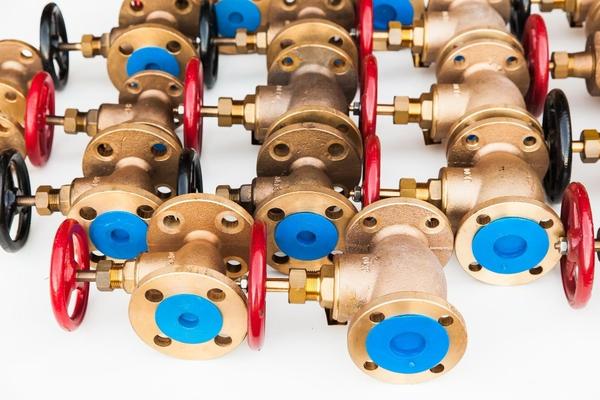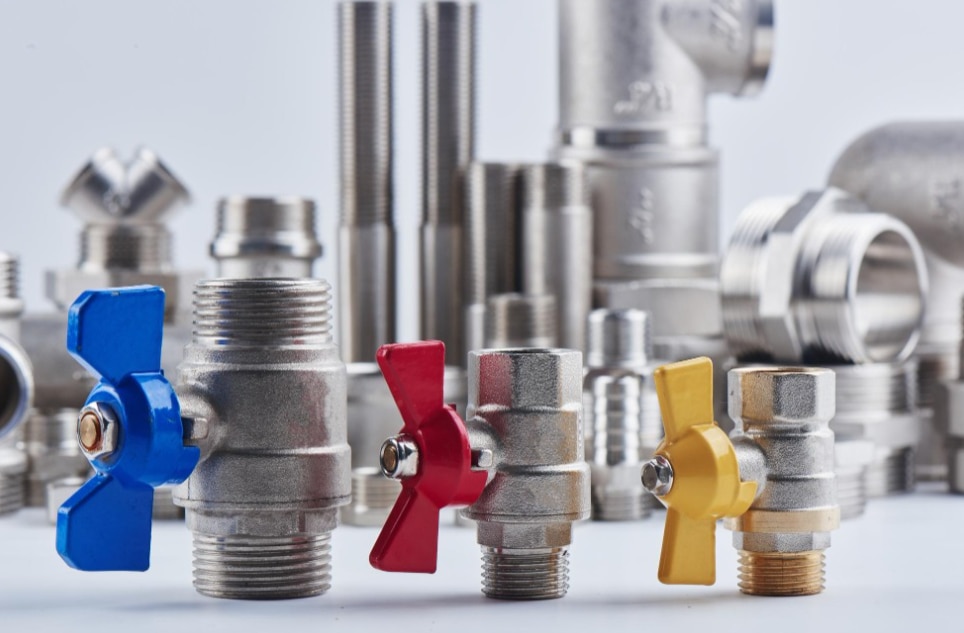
A dual plate check valve can have the correct nominal diameter and still fail to fit, open, close, or seal correctly in an MS piping system. By checking connection standards, flow conditions, installation geometry, materials, and commissioning evidence, you can separate a valve fault from a piping or pump problem before replacing equipment.
Key takeaways
- Match wafer, lug, threaded, or flanged ends to the pipe connection standard.
- Verify flow-direction arrows, valve orientation, pipe alignment, and plate clearance.
- Trace leakage and noise to debris, low flow, turbulence, worn seats, or water hammer.
- Specify DN or NPS, pressure class, face-to-face length, pipe schedule, and service fluid.
Does a dual plate check valve fit MS pipe fittings?
Yes—but only after you match the valve to the piping dimensions and service rating. A dual plate check valve for MS pipe fittings can use wafer, lug, threaded, or flanged ends, but “MS” and DN or NPS alone prove nothing. Confirm the valve’s actual end standard, nominal diameter, pressure class, face-to-face dimension, and pipe schedule.
| Connection arrangement | What to verify | Common failure |
|---|---|---|
| Wafer | Flange drilling, thickness, raised-face and bore clearance, gasket, bolt diameter and length | Bolt circle or bore prevents fitting or plate travel |
| Lug | Lug-hole pattern, flange faces, bolt length, and independent pipe support | Blind-end bolting or incorrect length damages threads |
| Threaded | Valve thread standard, pipe thread type, size, sealant, and engagement | Matching NPS with different threads causes leakage |
| Flanged | Flange standard, drilling, bore, facing, gasket, bolts, and face-to-face length | Flanges align but thickness or bolt circle does not |
A Class 150 flange does not give the valve a Class 150 pressure-temperature rating. Compare the valve’s rating with the pipe, fittings, and flanges at the operating temperature, and identify API 594 where applicable. Specify pipe schedule because a small-bore flange or thick-wall pipe can obstruct plate opening.
Separate dimensional fit from material compatibility. Carbon-steel pipe does not prove that the plates, springs, seat, or bolting suit the fluid, temperature, treated water, or corrosion exposure. These checks prevent dual plate check valve ms pipe fittings problems before installation.
Which installation defects stop the plates from opening or sealing?
A valve that must be pulled into position by its bolts is already misaligned. The body must sit freely between aligned flanges; otherwise flange strain can stop the plates from opening or prevent the seat from sealing.
Check these installation defects before blaming the valve:
- Unsupported pipe weight, thermal strain, or forced alignment loads the wafer body. Pipe supports must carry the pipe and fittings, not the check valve.
- Uneven tightening can twist the body, while excessive bolt torque can distort a soft seat. Tighten in a controlled cross-pattern to the manufacturer’s torque guidance.
- Place the gasket centrally. It must not project into the flow path or touch either moving plate.
- Check the flange bore and pipe schedule. Thick-wall MS pipe or a small-bore flange can restrict plate travel even when the nominal diameter matches.
- Complete nearby welding when required, let hot work cool, remove slag and mill scale, flush the line, and inspect for gasket fragments or welding debris. Internal weld penetration can strike a plate or hold it partly open.
| Defect | What it causes | What to inspect |
|---|---|---|
| Flange misalignment | Binding and leakage | Bolt-free body fit |
| Gasket intrusion | Restricted opening | Gasket edge at the bore |
| Bore interference | Plate contact | Flange bore and weld bead |
| Pipe stress | Distorted seating | Supports and thermal movement |
These are common MS pipe fittings check valve issues and explain many dual plate check valve ms pipe fittings problems after commissioning. If a plate still fails to travel freely, isolate the line before opening the joint and inspect for contact marks, debris, or body distortion.
How do orientation, flow rate, and nearby fittings cause flow problems?
A correctly assembled valve can still chatter, vibrate, stay partly open, or close unreliably when its orientation and operating range do not match the pipe system. The body arrow must match the flow direction; downward vertical flow is not acceptable unless the specific design permits it.
1. Check the installation manual before fitting a dual plate check valve for MS pipe fittings. Confirm permitted horizontal and vertical positions, hinge or shaft location, and orientation limits against the manufacturer’s data or the project specification. Use EN 1074-3 where it governs the service.
2. Obtain minimum, normal, and maximum flow rates, the pressure-drop curve, and the minimum flow required to hold the plates open. Low-flow HVAC circuits, pump-discharge lines below design duty, fire-protection systems during standby or testing, and intermittent process lines can leave the plates unstable.
3. Keep the valve away from an elbow, reducer, pump outlet, butterfly valve, or control valve unless the manufacturer permits direct installation. Turbulence can load one plate harder than the other, causing uneven wear, chatter, and incomplete seating.
4. Check pipe sizing rather than relying on nominal diameter. Undersized piping raises velocity and pressure drop, while excessive straight length cannot correct poor sizing or an unsuitable flow range.
These check valve flow problems often appear only during commissioning because the valve sees a different flow pattern from the one assumed during selection. Record flow and pressure at minimum and normal duty, then compare them with the published valve data.
How can you identify the actual cause of leakage, noise, or water hammer?
Excessive pressure drop points to a flow-path restriction, not automatically a failed valve. Record flow and upstream/downstream pressure, then compare both with published pressure-drop data; check undersized piping, a partly closed isolation valve, debris, and incomplete plate opening. These are common check valve flow problems.
For chatter or vibration, inspect:
- Low-flow operation against the minimum flow needed to hold the plates open
- Pump pulsation, trapped air, and disturbed flow from a nearby elbow, reducer, pump outlet, or control valve
- Spring condition and free plate movement
- Air pockets or debris after safely isolating and depressurising the line
| Reverse leakage | What to verify | What failure means |
|---|---|---|
| Wrong direction | Arrow, orientation, and permitted installation position | Plates cannot close correctly |
| Insufficient differential | Closing pressure and actual flow | Spring cannot seat plates tightly |
| Dirty or damaged seat | Scale, welding debris, gasket fragments, and trapped particles | Soft seat leaks; metal seat needs clean surfaces |
| Mechanical distortion | Flange contact, alignment, bolt loading, and pipe stress | Plates or seat cannot meet evenly |
For water hammer, examine pump start, pump stop, and power-failure transients. Spring-assisted closure reduces reverse travel but does not guarantee zero surge. A soft seat can trap particles, while a metal seat needs better surface condition and sufficient differential pressure for tight closure.
Confirm the arrow and orientation before blaming the valve; these checks resolve many MS pipe fittings check valve issues.
What should you specify before buying a replacement or new valve?
Specify the complete duty, connection, and test requirements before choosing a replacement. Treat a dual plate check valve for MS pipe fittings as a system specification, not a size-for-size purchase.
- DN or NPS; flange, wafer, lug, threaded, or other connection standard; pressure class; pipe schedule; and face-to-face dimension
- Body, internal, pressure-retaining, and wetted-part materials; spring and plate materials; seat type; and bolting material
- Fluid, operating temperature, solids content, minimum and maximum flow, permitted orientation, and allowable leakage
- Required pressure-temperature rating, flow coefficient or pressure-drop data, orientation limits, seat leakage criterion, spare-seat availability, and spare-spring availability
Choose the seat from service conditions, not from MS pipe material alone.
| Seat choice | Advantages | Reject or reconsider when |
|---|---|---|
| Soft seat | Better low-pressure sealing and lower leakage | Temperature, chemicals, abrasive solids, or trapped contamination can damage it |
| Metal seat | Higher-temperature and harsher-service tolerance | Low differential pressure demands tight shutoff or the seat cannot tolerate poor surface condition |
When evaluating a dual plate check valve supplier Noida, request material certificates for pressure-retaining and wetted parts, a certified pressure-test or conformity record, and the stated pressure-temperature rating. If API 598 applies, name its edition and acceptance criteria in the purchase order; “tested” is not enough.
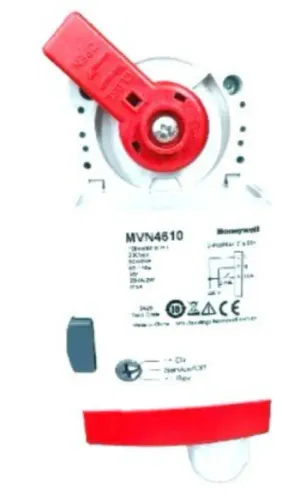
For fire protection, request the required listing or approval and confirm the adopted NFPA 20 requirements with the authority having jurisdiction before ordering. Shiv Shakti Hardware Store can help a Delhi NCR buyer compare these documents across valves, actuators, MS fittings, and fire-protection equipment rather than accept a valve by size alone.
Related product
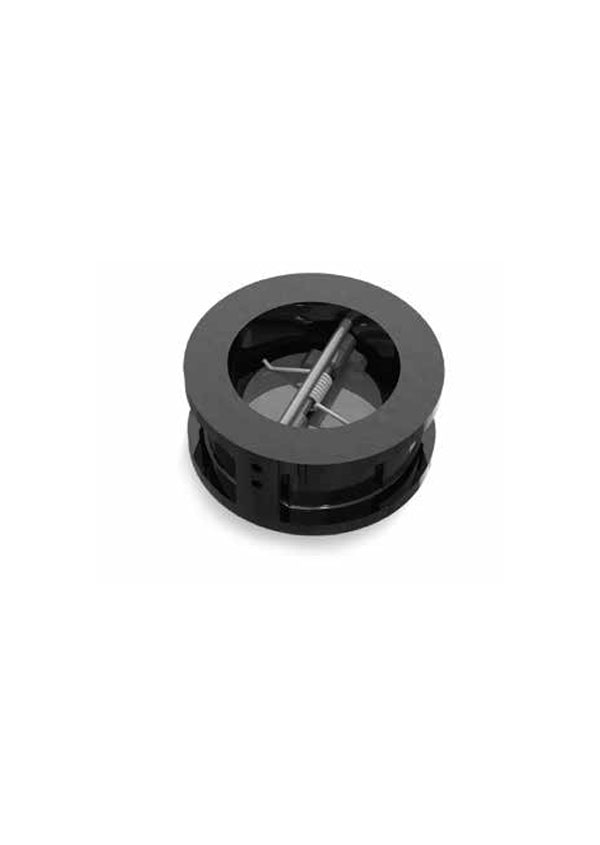 | Check Valve ₹2821 A Dual Plate Check Valve" from Honeywell is a type of valve that allows fluid to flow in one direction only, preventing backflow, by utilizing two... View product → |
Frequently asked questions
Does a dual plate check valve fit MS pipe fittings?
Yes, if the valve end type, nominal diameter, pressure class, face-to-face dimension, and pipe schedule match the piping system. MS alone does not establish compatibility.
Which installation defects stop the plates from opening or sealing?
Wrong flow direction, poor alignment, insufficient clearance, damaged gaskets, protruding pipe welds, debris, and incorrect bolt tightening can restrict the plates or prevent seat contact.
How do orientation, flow rate, and nearby fittings cause flow problems?
Install the valve according to its flow arrow and provide stable flow where possible. Elbows, reducers, pumps, and throttling valves placed too close can create turbulence, plate flutter, pressure loss, and noise.
How can you identify the cause of leakage, noise, or water hammer?
Check operating flow, pressure, valve direction, debris, seat condition, plate movement, and nearby fittings. Repeated clatter at low flow indicates unstable plate movement; a sharp slam during pump stoppage points to water hammer.
What should you specify before buying a replacement or new valve?
Provide DN or NPS, end connection standard, pressure class, face-to-face dimension, pipe schedule, temperature, fluid, flow range, installation orientation, and the required body and seat materials.
Keywords