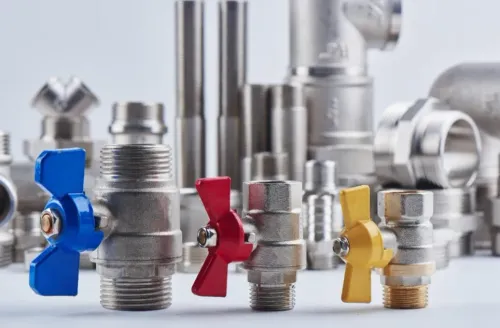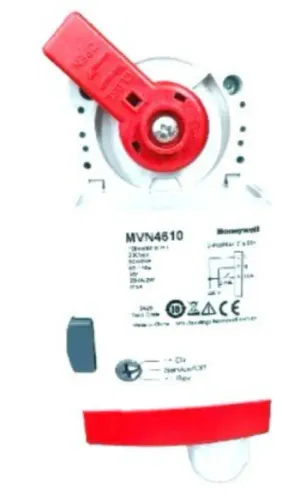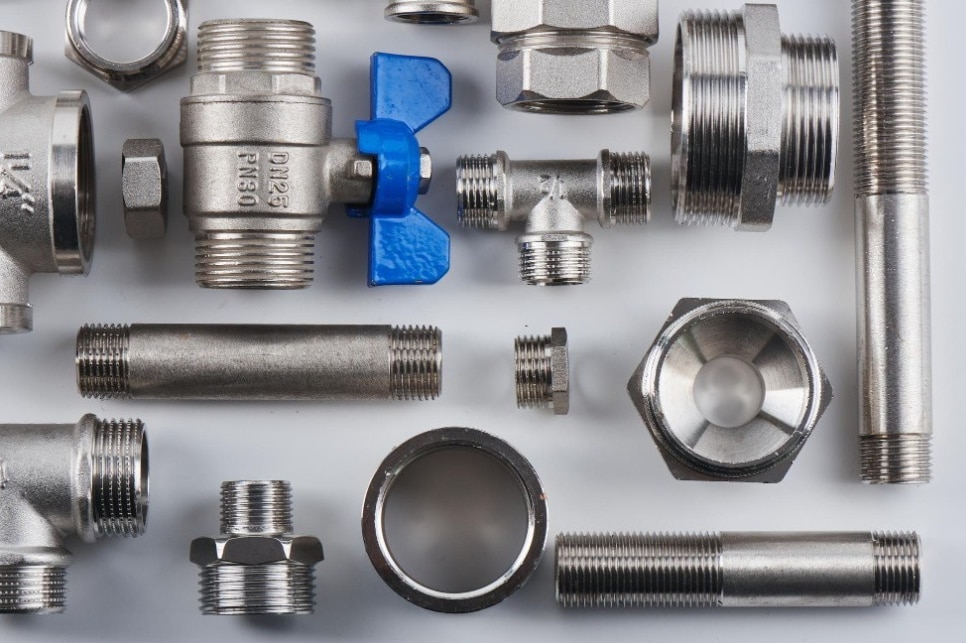
A GI pipe run and a hand-lever butterfly valve perform different jobs, and the connection between them requires more than matching the nominal bore. By checking the end connection, materials, pressure class, operating torque, and installation details, you can build a compact assembly that isolates flow reliably without creating leakage or corrosion problems.
Key takeaways
- Use matching flanges or approved adapters between GI pipe and the valve.
- Keep the butterfly disc clear before tightening or operating the valve.
- Match body, disc, seat, and stem materials to the fluid and temperature.
- Check size, pressure rating, connection type, and test documents before buying.
What each component contributes to the pipe system
GI pipe fittings make the run connectable and adaptable; a hand lever butterfly valve makes that run isolatable. Together, they suit water, HVAC, and other services where a strong, corrosion-protected pipe network needs quick shutoff without the space and operating complexity of a large gate-valve assembly.
- GI pipe fittings join pipe sections and create threaded, flanged, or grooved transitions. Elbows redirect the line, tees branch it, reducers change nominal size, and unions or flanges allow equipment removal. Their galvanized coating helps protect steel from external corrosion, while the fitting body provides a rigid mechanical connection when correctly sized and supported.
- The hand lever butterfly valve controls passage with a disc that turns about 90 degrees. Move the lever to close the line quickly for isolation, or open it fully for minimal obstruction. Its short face-to-face length and quarter-turn action reduce plant-room space and handling time.
- The interface joins both roles without assuming a direct screw connection. Most butterfly valves use wafer or lugged flange patterns, whereas GI pipe fittings commonly end in threads, so a threaded flange, flanged adaptor, grooved coupling, or short flanged spool completes the transition.
Choose the combination for benefits beyond simple isolation, but do not treat a basic hand lever as a precision control valve. A partly open disc can create turbulence, noise, vibration, and pressure loss; use it for isolation or coarse balancing unless the service specifies repeatable modulation.
How to make a butterfly valve fit a GI pipe run
A butterfly valve for GI pipes must match more than the nominal bore. Before ordering, confirm the pipe size, schedule or wall thickness, valve pressure class, face-to-face length, body and disc materials, seat elastomer, stem arrangement, temperature range, and the end-connection standard.
Verify these dimensions against the actual pipe run:
- Nominal diameter and internal bore, so the disc does not project into the pipe or restrict flow.
- Valve face-to-face length, including the space available between the two connecting pieces.
- Flange outside diameter, bolt-circle diameter, bolt-hole count, hole diameter, and gasket-face type.
- Pipe centreline and available hand-lever clearance; the lever must rotate fully without striking a wall, support, or adjacent pipe.
- Pressure and temperature ratings for the service, not just the pipe diameter.
A hand-lever valve normally does not screw directly onto threaded GI pipe. Select the transition that matches the existing joint:
| Connection method | What to verify | Main risk |
|---|---|---|
| Threaded GI pipe | Thread size, thread standard, and a threaded flange or flanged adaptor | Directly forcing the valve onto threads can damage the valve and joint |
| Flanged GI pipe | Flange standard, bolt circle, gasket face, and face-to-face length | Correct bore with wrong drilling will not bolt up |
| Grooved GI pipe | Groove dimensions, coupling type, and a grooved-to-flanged adaptor | An incompatible coupling can leak or separate |
For fire-water service, also specify the project-required listing, such as UL or FM, and the supervisory-switch arrangement before purchase.
How to install the valve without damaging the joint
Keep the valve centred, the disc clear, and the pipe independently supported; otherwise a compact butterfly valve can leak before it ever operates.
1. Clean both flange faces and remove weld spatter, zinc flakes, grit, and burrs. Fit the gasket specified for the valve and service. Do not let the gasket project into the bore, where the rotating disc can cut it.
2. Support the valve and adjoining GI pipe with hangers or brackets. Bring the flanges together without using the bolts to pull a misaligned pipe into position. Set the disc slightly open during insertion, then confirm that it rotates freely without touching the gasket, pipe wall, or fitting.
3. Insert the correct bolts and tighten them gradually in a diagonal sequence. Use a calibrated torque wrench and the manufacturer’s torque range; excessive compression can distort the resilient seat, while uneven tightening can skew the body and increase lever force.
4. Protect damaged galvanizing, exposed cut threads, and scratched flange areas with an approved zinc-rich repair coating. Isolate dissimilar metals where the joint design requires it, and eliminate stagnant pockets that hold water against the fitting.
Pressure-test the complete pipe, fittings, gasket, and valve assembly at the specified test pressure without exceeding the valve rating. After testing, operate the lever through the full quarter-turn, check for smooth travel and leakage, and correct any support, alignment, or corrosion-protection defect before insulation or concealment.
Which valve materials and operating method suit the service
A hand lever suits a valve used mainly for isolation, not frequent throttling. Its quarter-turn action saves space, but rising diameter, differential pressure, seat friction, or operating frequency can make lever force impractical; compare the manufacturer’s maximum operating torque with the force available at the handle.
| Service | Seat, body, and disc selection | Pressure and approval check |
|---|---|---|
| Water | Use an EPDM seat when its temperature and fluid-compatibility limits match the water; choose a corrosion-protected ductile-iron body and stainless-steel or coated disc. | Select a pressure class above the system’s maximum working and test pressure, including pump shutoff conditions. |
| HVAC water | EPDM suits many chilled-water circuits; confirm the seat for the actual glycol concentration and supply temperature. Use an epoxy-coated ductile-iron body and stainless-steel disc where corrosion resistance is needed. | Check pressure drop at the intended operating position. A partially closed butterfly disc creates more loss than a full-bore gate valve. |
| Fire water | Use only the seat, body, disc, and coating combination covered by the valve’s specified fire listing or approval. | Match the listed pressure rating, connection pattern, and adopted fire code; a general-purpose HVAC valve is not automatically acceptable. |
Choose a hand lever for infrequent isolation in plant rooms, risers, and valve stations. Do not use it as a substitute for a geared or actuated operator where remote control, frequent adjustment, or high torque is required.
For fire-service isolation, verify the required listed supervisory switch and its compatibility with the fire-alarm system. A plain lever can leave a closed valve unreported even when its pressure rating appears adequate.
What to include in a GI piping valve purchase check
Ask every gi piping valve supplier for one package record, not separate product claims. Match the GI pipe’s nominal size, schedule, threaded or grooved end, valve wafer or lug pattern, bolt circle, gasket face, pressure class, and disc clearance. A local address does not prove compatibility.
Use this purchase checklist:
- Request the valve datasheet, body and disc material, seat material, maximum allowable operating torque, pressure-test report, batch or serial number, and material traceability.
- Require the transition piece: threaded flange, flanged adaptor, grooved coupling, or short flanged spool. Confirm its dimensions preserve the valve face-to-face length and bolt pattern.
- Specify the gasket type, bolt grade, tightening method, and support arrangement. The pipe must not carry the valve’s weight.
- Ask for replacement-seat availability, lever or gearbox spares, warranty exclusions, and a post-installation operating check.
- For fire-water service, verify the project’s required UL or FM listing, supervisory switch arrangement, pressure rating, and connection standard.
| Check | Accept | Reject |
|---|---|---|
| Compatibility | Drawings and dimensions match | “Same size” with no bolt or flange data |
| Testing | Complete assembly pressure-tested | Valve-only certificate |
| Maintainability | Seats and spares available | No replacement-parts route |
For a search such as gi pipe fittings noida or hand lever butterfly valve noida, apply this evidence test to each quotation. Shiv Shakti Hardware Store can be compared on the same documents, not proximity alone.
A hand lever also needs torque confirmation; choose a geared or actuated valve when force or operating frequency exceeds practical manual control.
Related product
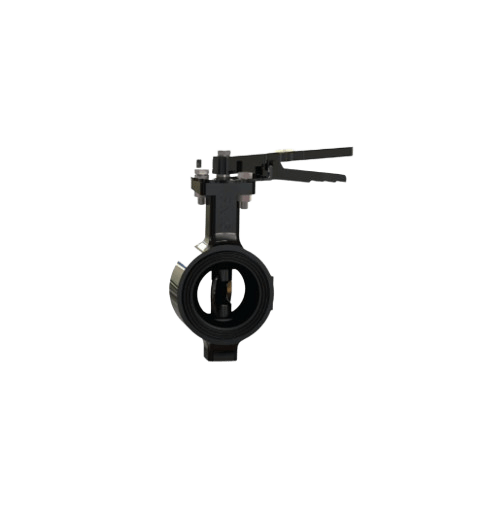 | Butterfly Valve Butterfly Valve Hand Lever Operated ₹2732 A Honeywell Impact butterfly valve PN 16 is typically used for regulating the flow of water in heating and cooling systems, particularly in HVAC... View product → |
Frequently asked questions
What does each component contribute to a GI pipe system?
GI pipe fittings connect, redirect, reduce, and terminate the piping run. A hand lever butterfly valve isolates flow with a quarter-turn handle while using less installation space than many larger valve assemblies.
How do you fit a butterfly valve to GI pipes?
Confirm the pipe diameter, valve connection pattern, face-to-face dimension, and pressure rating. Use matching flanges, flange adapters, or another manufacturer-approved connection method instead of forcing a valve between incompatible ends.
How can you install the valve without damaging the joint?
Align the pipe supports and valve faces, keep the disc partly open during placement, centre the valve, and tighten bolts in a diagonal sequence. Do not use the valve to pull misaligned pipes together.
Which butterfly valve materials and operating method suit the service?
Select the body, disc, seat, and stem for the fluid, temperature, pressure, and corrosion exposure. A hand lever suits frequent local isolation when the valve is accessible and rapid quarter-turn operation is useful.
What should you check before buying a GI piping valve?
Verify nominal size, pressure class, end connection, face-to-face length, body and seat materials, operating clearance, test documentation, and compatibility with the GI fittings and service conditions.
Keywords