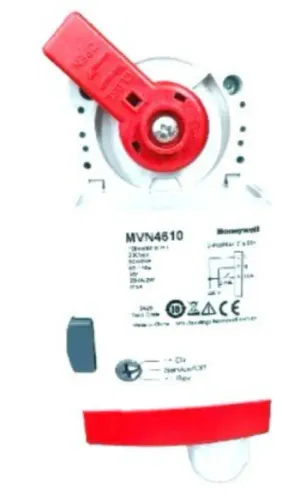
A motorized butterfly valve can isolate a fire-water zone without sending personnel into a pump room, high-level riser, or restricted plant area, but electrical movement alone does not make a valve suitable for fire service. You will be able to evaluate the control benefit, verify approval of the complete valve assembly, and specify the feedback, power, and manual safeguards needed for a dependable installation.
Key takeaways
- Use supervised position feedback to confirm open or closed valve status.
- Check fire-service approval, pressure rating, actuator torque, and fail-safe behavior.
- Do not treat an HVAC valve description as proof of fire-system suitability.
- Match voltage, enclosure, wiring, and manual override to the installation.
How motorized control operates a fire-water valve
A motorized butterfly valve for fire systems uses an electric actuator to rotate the valve stem and disc through approximately 90 degrees. The disc sits parallel to the pipe when open, allowing fire-water flow, and turns across the passage when closed to isolate a section.
An open or close signal starts the actuator, while limit switches stop travel and report the final position.
In a butterfly valve fire system, this operation gives the control panel a way to isolate or restore a protected zone, riser, pump line, or other section without sending someone to the valve. The immediate benefits include:
- Remote isolation from a fire-control panel or approved control station
- Faster access to a valve in a high-level riser, pump room, or restricted plant area
- Less personnel exposure to heat, smoke, water, or difficult access routes
- Position feedback showing whether the valve reached open or closed travel
The assembly still needs a manual override and visible mechanical position indicator for power or communication failure. Use a controlled closing profile where rapid disc movement could create water hammer.
A motorized actuator does not turn a general HVAC valve into fire equipment. Check the exact valve-and-actuator assembly for fire-service listing or approval, such as UL 1091 or FM Approval Standard 1112; a PN 16 rating alone proves pressure class, not fire-protection suitability.
Where remote isolation and supervised position add value
Remote isolation earns its place at points where a person may not reach the valve quickly or safely:
- Branch lines serving separate sprinkler or hydrant zones
- Riser isolation valves in multi-storey buildings
- Pump discharge lines and sectional fire-water mains
- Valves inside locked plant rooms, shafts, or restricted compounds
- Sections isolated during planned testing, maintenance, or repair
Choose a fire fighting equipment motorized butterfly valve for benefits such as faster restoration, reduced travel through hazardous areas, and coordinated operation from a fire-control location.
A simple valve that stays open and is easy to reach may be better served by a listed supervised manual indicating valve; adding a motor then adds power, wiring, and failure points without solving a real access problem.
The control system confirms position through a listed supervisory switch or approved position transmitter connected to the fire-alarm supervising circuit. The actuator drives the disc to its commanded end position, and an end-position contact reports open or closed status; an intermediate or unexpected position produces a supervisory or trouble signal.
Motor movement alone is not proof that the disc reached open.
Specify the valve, actuator, manual override, position device, and wiring method as a compatible fire-service assembly. A BMS command can assist control, but it must not replace dedicated fire-valve supervision. A listed valve paired with an unapproved actuator can invalidate the intended assembly approval.
Why HVAC descriptions and PN 16 ratings are not enough
An HVAC description and a PN 16 rating do not establish fire-service suitability. An HVAC motorized butterfly valve is usually selected to modulate flow for temperature control; a fire-protection isolation valve is selected to remain open, close for sectional isolation, and report its position under a supervised fire-system arrangement.
HVAC modulating valve | Fire-protection isolation valve Purpose | Proportional flow control for heating or cooling | On/off isolation of a riser, protected zone, pump line, or other fire-water section Evidence to check | Manufacturer duty statement and control signal | Exact valve-and-actuator assembly listed or approved for fire service Standards to look for | HVAC product documentation | UL 1091 for fire-service butterfly valves or FM Approval Standard 1112 for automatic control valves Position assurance | Electric movement does not prove the disc reached the required position | Listed supervisory switch or approved position-monitoring arrangement sends an open or closed condition Pressure marking | PN 16 indicates nominal pressure class only | Pressure rating plus fire-service listing, installation limits, and compatible accessories
Ask for the approval record covering the complete motorized butterfly valve for fire systems, not the valve body alone. Confirm that the actuator, supervisory switch, manual override, wiring method, and installation orientation match that record; combining a listed valve with an unapproved actuator can defeat the intended approval.
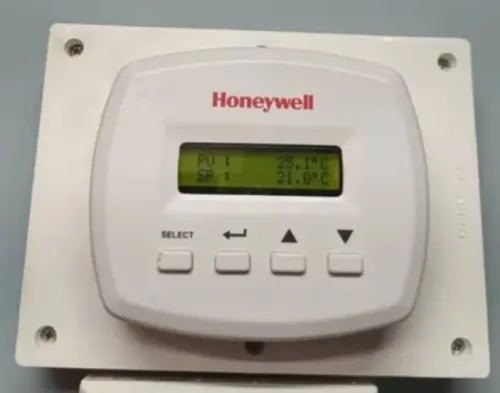
A Honeywell name, a “fire fighting equipment” label, or PN 16 stamped on the body is not enough. The assembly also must perform isolation, not substitute for a check valve, alarm check valve, deluge valve, pressure-control valve, or fire-pump controller unless it is specifically listed for that duty.
The engineering checks behind dependable motorized operation
An actuator is dependable only when its power, travel, enclosure, mounting, and water-flow conditions match the installation. Check the complete valve-and-actuator assembly, not the motor label alone; UL 1091 covers fire-protection butterfly valves, while FM Approval Standard 1112 covers automatic control valves.
- Electrical: Match the actuator’s rated voltage and current to the fire-control panel, confirm start-up current, and test open/closed limit switches, position feedback, cable glands, and loss-of-power alarms. Provide a manual override and a way to verify or operate the valve when control power or communications fail.
- Mechanical: Confirm the actuator’s torque exceeds the valve’s required operating torque under maximum differential pressure. Inspect stem coupling, mounting bolts, travel stops, visible position indication, and the full open and closed movement; a misaligned coupling can report “open” while leaving the disc partly shut.
- Environmental: Select enclosure protection, corrosion resistance, cable entry, and operating-temperature limits for the actual location. Condensation, wash-down water, dust, outdoor exposure, or a wet riser can seize an unsuitable actuator.
- Hydraulic: Check pressure rating, flange or wafer fit, pipe alignment, flow direction, valve size, and pressure loss. The disc remains in the flow path, so an undersized butterfly valve can restrict flow; excessive differential pressure can also prevent reliable opening.
In a butterfly valve fire system installation, test the complete operating sequence from command to movement and feedback. Confirm that the valve performs isolation only; it does not replace a check valve, deluge valve, alarm check valve, or fire-pump controller.
How to compare a fire-service assembly and local supplier
Ask for the approval document for the exact valve-and-actuator combination, not a brochure for the valve body alone. UL 1091 covers butterfly valves for fire-protection service, while FM Approval Standard 1112 covers automatic control valves; a PN 16 marking or Honeywell name does not prove either approval.
Check these points when comparing a fire protection valve supplier Noida:
| Check | Complete assembly to verify | Supplier evidence to request |
|---|---|---|
| Duty | Listed valve, compatible actuator, manual override, and on/off operation | Data sheet showing size range, torque, voltage, and duty cycle |
| Supervision | Listed supervisory switch or position transmitter | Wiring diagram and alarm-panel compatibility |
| Installation | Approved orientation, cable entry, enclosure rating, and temperature limits | Installation instructions for pump rooms, outdoor yards, or wet risers |
| Documentation | Pressure class, certificates, test records, and serial identification | Traceable certificates for the supplied assembly |
| Support | Replacement actuator, switches, seals, and commissioning instructions | Spare-parts availability and local service response |
A supplier who cannot identify the exact listing, actuator model, and supervisory arrangement leaves you carrying the approval risk. Shiv Shakti Hardware Store can be compared on whether it supplies this documentation and commissioning support, not merely on whether it lists fire fighting equipment Noida products.
For a fire fighting equipment motorized butterfly valve for benefits, compare remote isolation, feedback, and service access against the disc’s flow obstruction and pressure loss. Reject any proposal that substitutes an HVAC modulating valve for a fire-service isolation assembly.
Related product
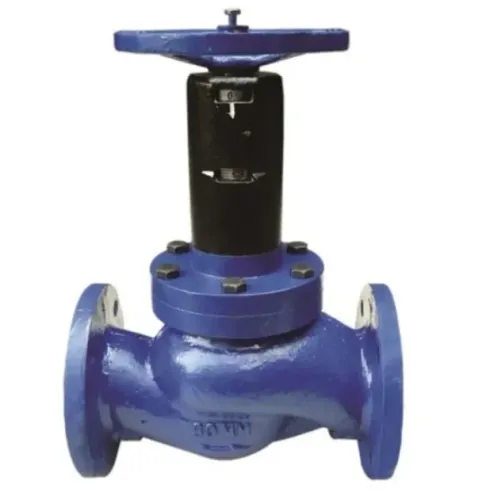
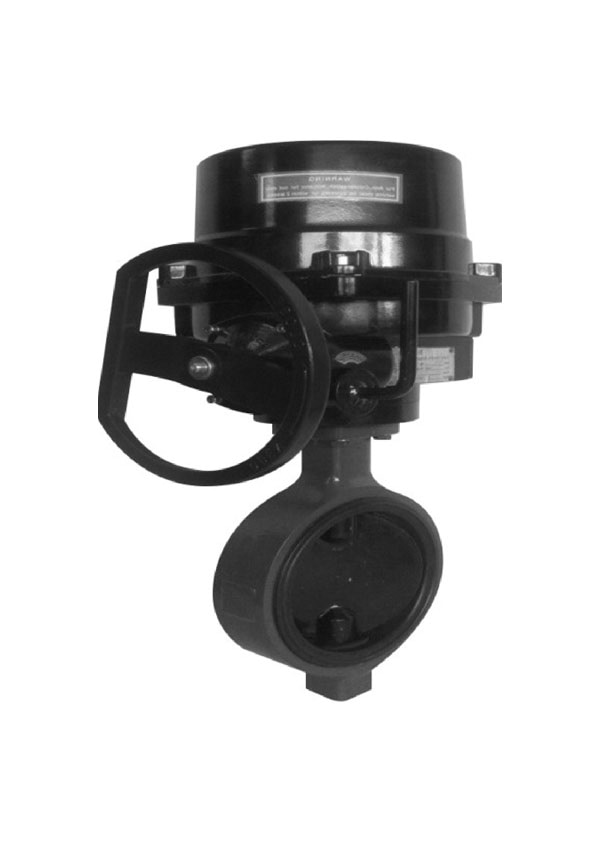 | Butterfly Valve ₹4158 A Honeywell Impact butterfly valve PN 16 is typically used for regulating the flow of water in heating and cooling systems, particularly in HVAC... View product → |
Frequently asked questions
How does a motorized butterfly valve control fire water?
An electric actuator rotates the valve stem and disc through approximately 90 degrees, opening or isolating the fire-water pipe.
Where does remote isolation add value in a fire system?
Remote isolation lets operators shut off a defined pipe section, while supervised position feedback shows whether the valve is open or closed.
Why are HVAC descriptions and PN 16 ratings insufficient?
An HVAC description does not prove fire-service suitability, and PN 16 states pressure class without confirming approval, testing, materials, or actuator performance.
What engineering checks support dependable motorized operation?
Check valve size, torque, pressure, temperature, actuator voltage, enclosure, manual override, wiring, feedback contacts, and installation access.
Keywords