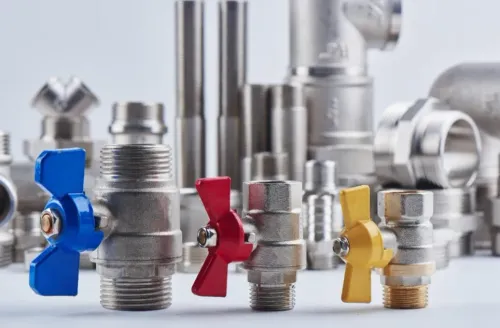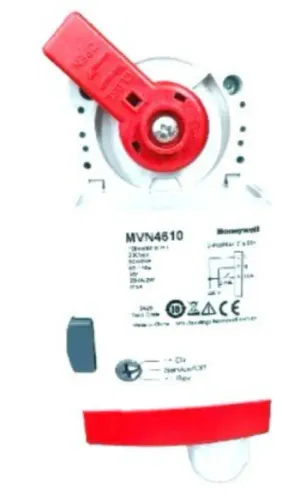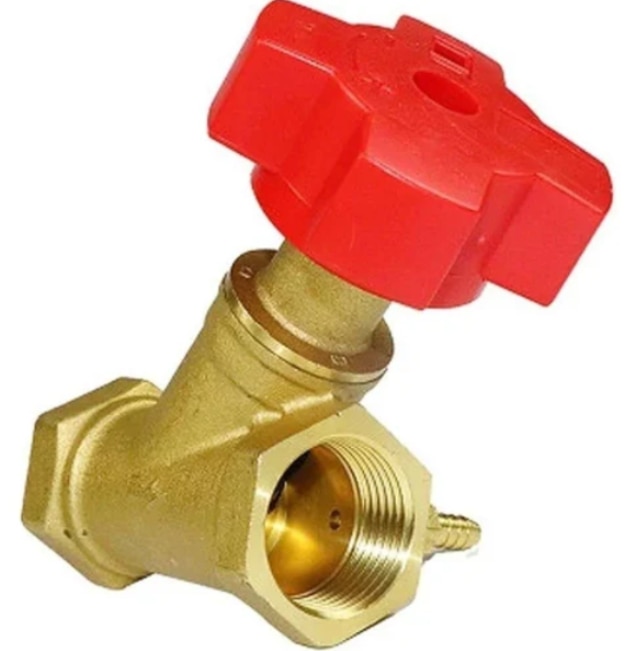
“Sant valve” identifies a supplier or product range, not a valve construction or performance class, so the name alone cannot tell you whether it suits your system. By comparing the actual valve design, service conditions, control duty, actuator torque, and documentation, you can choose the option that will operate reliably rather than simply fit the pipe.
Key takeaways
- Confirm what “Sant valve” means: brand, model, construction, pressure class, and end connection.
- Use butterfly valves for compact isolation; choose control valves designed for accurate throttling or modulation.
- Size the actuator for breakaway, running, and seating torque—not valve diameter alone.
- Specify fail-open or fail-closed action, power supply, signal type, enclosure, and testing documents.
Define the Valve Before You Compare It
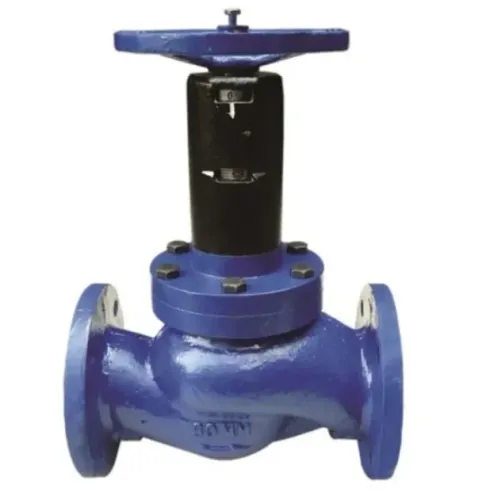
“Sant valve” does not identify a construction, pressure rating, or operating principle. It may refer to a manufacturer’s range, a trade name, or a supplier’s product label, so a search for a Sant valves dealer is only the start of the specification.
A motorized butterfly valve is more specific: it describes a quarter-turn butterfly valve fitted with an electric actuator, but not its materials, control quality, or emergency behaviour.
| Option | What the label tells you | What it does not tell you |
|---|---|---|
| Sant valve | A brand, range, or trade description | Body, disc, seat, pressure class, temperature, connection, or leakage performance |
| Motorized butterfly valve | Butterfly disc plus motorized quarter-turn operation | Torque adequacy, modulation capability, fail action, Cv or Kv, and fire-service approval |
Before comparing either option, identify these items:
- Body, disc, and seat materials against the fluid, temperature, and chemistry.
- Pressure class, design temperature, end connection, flange standard, and required leakage class.
- Isolation or modulating duty, required flow, allowable pressure drop, and manufacturer Cv or Kv data.
- Actuator torque, supply voltage, control signal, open-close feedback, and space for maintenance.
- Fail-open, fail-closed, or fail-in-place action and the mechanism that provides it; electric power loss does not make a motorized butterfly valve fail-safe.
- For fire-protection service, the project’s approval, listing, supervisory indication, and installation requirements. ISO 5211 standardizes mounting dimensions, not torque or fail action.
Match the Valve to Isolation, Throttling, or Modulation Duty
Choose a manual or Sant valve for infrequent, local isolation where you need simple operation and no electrical supply. It is the better choice when an operator can reach the valve, the process does not require automatic repositioning, and the valve will remain fully open or fully closed.
Do not treat “Sant” as proof of a particular construction; verify the actual valve specifications.
A motorized butterfly valve suits remote isolation when a control system must open or close the line on command. It also suits throttling or continuous modulation only when the valve, actuator, and control loop are selected for that duty.
An isolation valve that spends its life partly open can hunt, create noise, or deliver poor low-load control.
Base motorized butterfly valve selection on the required flow and pressure drop, using the manufacturer’s Cv or Kv data. Matching the valve to pipe diameter alone can oversize the valve and make the operating range too narrow; undersizing it can cause excessive velocity, pressure loss, and actuator torque.
For a flow-control application, confirm:
- The operating flow range and allowable pressure drop
- The required control signal, cycle frequency, and modulation accuracy
- The actuator’s torque and duty rating
- The fail position and stored-energy or backup-power method
Fire-protection lines require listed or approved equipment, supervisory indication, and installation arrangements specified for that service. A general-purpose motorized butterfly valve is not an acceptable substitute because its flange size and pressure rating match.
Compare Pressure Loss, Materials, Space, and Maintenance
Pressure loss is determined by Cv/Kv, valve position, fluid velocity, and differential pressure—not by matching valve size to the pipe. Require the manufacturer’s flow data at your design flow, then check pressure class, operating temperature, shutoff pressure, and maximum velocity.
| Option | Pressure loss and materials | Space and maintenance |
|---|---|---|
| Sant valve | A full-bore passage can reduce loss; confirm the actual port, trim, body, and seat construction. Match wetted materials to fluid chemistry, temperature, solids, and elastomer compatibility. | Check face-to-face length, removal clearance, drainability, dead legs, surface finish, and hygienic standard. Require access to seats and seals without dismantling unrelated pipework. |
| Motorized butterfly valve | The disc remains in the flow path and can create greater loss, noise, or erosion at high velocity. Confirm disc, shaft, body, liner, and seat materials, plus Cv/Kv and leakage class at the operating position. | Its short face-to-face length saves line space, but the disc needs swing clearance and the actuator needs overhead and side access. Provide room to remove the actuator, inspect the shaft, and replace the liner or seat. |
For sanitary service, reject an ordinary wafer butterfly valve if the process requires hygienic clamp ends, validated cleaning, drainability, controlled dead legs, or a specified product-contact finish. Stainless steel alone does not prove cleanability.
Keep maintenance records tied to pressure-temperature limits, seat material, leakage tests, and actuator duty. A valve that fits the pipe but lacks inspection access becomes a shutdown problem.
Size the Actuator for Torque and the Required Emergency Action
An actuator is sized from torque, not nominal pipe diameter or supply voltage. Obtain the valve manufacturer’s breakaway, running, and seating torque at the maximum differential pressure, lowest temperature, and actual seat material. Add the manufacturer’s safety margin, then verify that the actuator delivers enough torque throughout the full stroke.
- Select on-off control for isolation; select a modulating actuator only when the valve must regulate flow. Use the manufacturer’s Cv or Kv data to confirm the valve delivers the required flow at an acceptable pressure drop. An oversized full-line valve can hunt and control poorly, while an undersized valve creates noise, velocity, and excessive loss.
- Match the motor to available voltage, phase, frequency, starting current, duty cycle, enclosure, and ambient temperature. Confirm that the control signal matches the building-management or PLC output.
- Define the response to both power loss and signal loss: fail-open, fail-closed, or fail-in-place. A standard electric actuator does not become fail-safe merely because it is motorized. Use spring-return pneumatic actuation, stored-energy capability, or a separate emergency-power system when the process demands a defined position.
- Check the ISO 5211 mounting interface, but do not treat that dimension as proof of torque capacity.
For fire-protection service, specify the listed valve, actuator, supervisory indication, and installation arrangement; ordinary open/closed feedback is not equivalent. For motorized valves delhi ncr procurement, state the IP or NEMA rating, cable entries, corrosion protection, and solar, rain, dust, and flooding exposure in the specification.
Turn the Decision Into a Verifiable Purchase Specification
Send the same written duty schedule to every supplier; a brand name or a search for sant valves dealer noida is not a specification. Give the line size and flange standard, fluid, minimum and maximum flow, inlet pressure, allowable pressure drop, temperature range, chemistry, operating frequency, and required emergency position.
- Require the quotation to state body, disc, stem, and seat materials; pressure class; temperature limits; end connection; leakage class; face-to-face dimension; and flow direction.
- For a motorized valve, require the selected Cv or Kv at your design flow, calculated pressure drop, shutoff torque, running torque, actuator torque margin, duty rating, enclosure rating, supply voltage, and control signal.
- State whether the valve is on-off, throttling, or continuous modulating service. Require the actuator’s fail-open, fail-closed, or fail-in-place action and the mechanism that provides it.
- Require a wiring diagram, terminal schedule, ISO 5211 mounting details, manual override method, feedback signals, and control logic, not merely “electric actuator.”
- Make the document package part of the offer: datasheet, pressure-temperature chart, material certificates, pressure or leakage-test report, and fire or hygienic approvals where the application demands them.
Shiv Shakti Hardware Store can review a comparison accurately when you provide this schedule instead of asking for “a Sant valve” or “a motorized butterfly valve.” Reject quotations that leave the seat material, Cv/Kv, torque, fail action, or test documents blank.
Related product
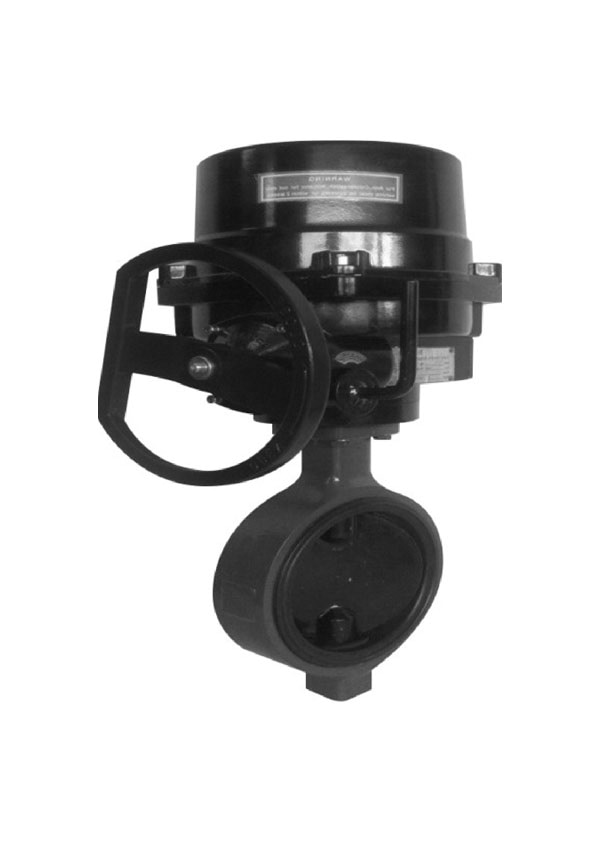 | Butterfly Valve ₹4158 A Honeywell Impact butterfly valve PN 16 is typically used for regulating the flow of water in heating and cooling systems, particularly in HVAC... View product → |
Frequently asked questions
What does “Sant valve” identify?
It may identify a manufacturer’s range, trade name, or supplier label, so verify the exact construction, pressure rating, materials, end connection, and operating principle before comparing it with a motorized butterfly valve.
When should you choose a motorized butterfly valve?
Choose one when compact quarter-turn operation suits the line and the duty is isolation or controlled flow. Confirm that the disc, seat, pressure class, temperature range, and actuator suit the service.
How do you size an actuator for a motorized butterfly valve?
Use the valve maker’s torque data for breakaway, running, and seating torque, then account for pressure, temperature, media, seat friction, and the required safety margin.
What must a valve purchase specification include?
State the duty, fluid, flow rate, pressure and temperature, line size, materials, end connection, pressure class, actuator torque, power supply, control signal, emergency position, enclosure rating, and inspection documents.
Keywords