A dual plate check valve and an expansion rubber bellows are not competing substitutes: one manages flow direction, while the other manages movement, vibration, and thermal change. By the end, you will be able to specify where each belongs, check compatibility and installation risks, and prepare the information a supplier needs for a compliant fire-system selection.
Key takeaways
- Use a check valve for reverse-flow prevention, not pipe movement absorption.
- Use rubber bellows for defined movement, with anchors and guides resisting pressure thrust.
- Match pressure, temperature, movement, connection size, and fire-system service before ordering.
- Request drawings, test certificates, materials, and inspection requirements in your supplier enquiry.
Choose by function: flow control or movement control
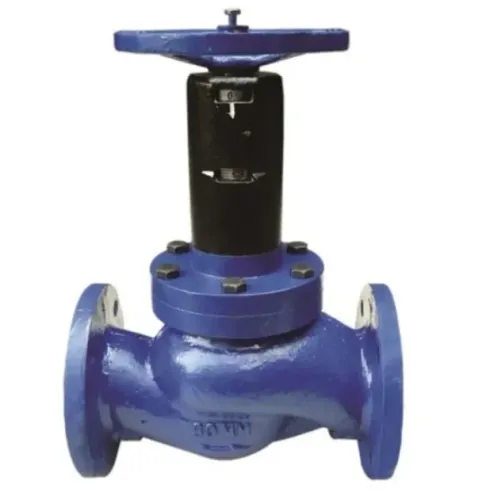
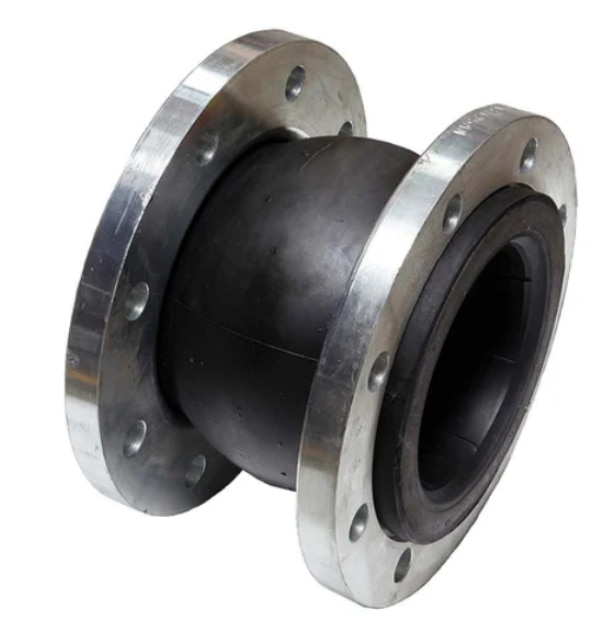
A dual plate check valve controls reverse flow; an expansion rubber bellows absorbs defined axial, lateral, angular, thermal, vibration, or alignment movement. The valve is not a movement joint, and the bellows is not a pressure-thrust restraint: internal pressure still requires anchors, guides, tie rods, or another designed restraint.
They can work together on a fire-pump discharge or HVAC water line, with the valve controlling flow direction and the bellows limiting transmitted movement at an approved pump connection or equipment nozzle.
| Component | Primary function | What it does not replace |
|---|---|---|
| Dual plate check valve | Stops reverse flow with spring-assisted plates | Throttling valve or movement joint |
| Expansion rubber bellows | Accommodates rated movement and vibration | Pressure-thrust restraint or unsupported-pipe support |
| Flexible connector | Isolates equipment vibration and minor displacement | Check valve or calculated expansion loop |
| Dismantling joint | Creates installation and removal clearance | Movement absorber or backflow preventer |
| Pipe expansion loop | Uses pipe geometry for thermal growth | Compact bellows or flow-control device |
| Surge arrester | Limits pressure transients in the pipeline | Routine reverse-flow shutoff |
| Water-hammer arrestor | Absorbs rapid liquid-column shock | Thermal expansion accommodation |
Do not choose a dual plate valve for throttling, frequent solids handling, very low differential pressure, restricted vertical flow, or an unapproved arrangement. Do not choose an expansion rubber bellows for unsupported piping, movement beyond its rating, severe abrasion, incompatible chemicals, unsuitable temperature, fire exposure, or a location requiring rigid restraint.
Place each component where the fire or HVAC system needs it
Place a dual plate check valve downstream of a fire pump, on pump discharge connections where specified, in discharge headers, and at riser bases or branches. Hydrant or sprinkler mains need one only when the hydraulic calculation and project design require backflow protection.
Match the valve’s cast flow arrow to the actual pump-to-riser or header direction. Confirm vertical installation, low-flow performance, and inspection access with the manufacturer; a poorly oriented or inaccessible valve can leak, slam, or remain unserviceable.
Place expansion rubber bellows at pump suction and discharge connections, equipment nozzles, building movement joints, and pipe sections exposed to thermal growth or vibration. Suction service needs a bellows rated for vacuum and collapse resistance; discharge service needs pressure, thrust, and movement control suited to the pump outlet.
A bellows near a pump does not repair weak supports, missing guides, poor alignment, or excessive nozzle loading. It absorbs defined movement, not unsupported pipe weight or pressure thrust.
Use the piping specification, not pipe size alone, to select:
- Nominal diameter, connection type, face-to-face length, pressure class, flange drilling, and temperature rating.
- The manufacturer’s permitted movement, installation orientation, vacuum limit, and restraint requirements.
- Fire-service listing or authority acceptance for the exact bellows and valve; a pressure-rated rubber joint is not automatically acceptable for sprinkler or fire-pump service.
- Separate line items when searching for dual plate check valve for expansion rubber bellows noida: specify valve flow performance and approval independently from bellows movement, elastomer, anchoring, and installation limits.
Match the valve and bellows to measured design conditions
Select each item against measured design conditions, not a catalogue size. For a valve, record connection style, nominal diameter, pressure class, face-to-face dimension, body and disc materials, spring material, temperature rating, cracking pressure, allowable reverse pressure, pressure loss, and the applicable API 594 details.
API 594 alone does not prove fire-service suitability: verify its exact edition, pressure class, materials, tests, and UL 312 listing or authority-accepted equivalent.
- For the bellows, specify nominal diameter, neutral face-to-face length, pressure rating, temperature range, EPDM, NBR, or chloroprene compound, reinforcement, flange drilling, cycle expectation, and permitted axial, lateral, and angular movement.
- Add thermal pipe growth, pump vibration, equipment displacement, building settlement, and installation offset to obtain total movement. Compare that combined value with the manufacturer’s interdependent axial, lateral, and angular limits; one movement can reduce another.
- Calculate axial thrust from internal pressure. Provide anchors, guides, tie rods, or a restraint system designed for that bellows, because its pressure rating does not make it a thrust restraint.
- A dual plate check valve supplier noida enquiry should request the exact model, datasheet, test certificate, fire listing, and installation limits.
| Item | Verify | Failure if ignored |
|---|---|---|
| Dual plate check valve | Flow direction, shutoff, cracking pressure, reverse pressure, loss | Slam, leakage, or blocked flow |
| Rubber bellows | Movement, elastomer compatibility, cycles, restraint | Rupture, flange pullout, or nozzle loading |
| Fire service | UL 312 or accepted equivalent for the exact size and service | Industrial approval mistaken for fire approval |
Install, test, and inspect without creating a new failure point
1. Read the dual plate valve’s cast or marked body arrow and confirm it matches pump-to-riser or header flow. Align the pipe, centre the gasket, tighten bolts in a cross-pattern to the specified torque, preserve plate-opening clearance, and leave room for inspection and removal.
2. Install the expansion rubber bellows at neutral length unless its manufacturer specifies a preset. Keep it free from torsion, overextension, compression, unsupported pipe weight, flange misalignment, abrasion, excessive vacuum, and missing guides or anchors; do not use it to carry pressure thrust.
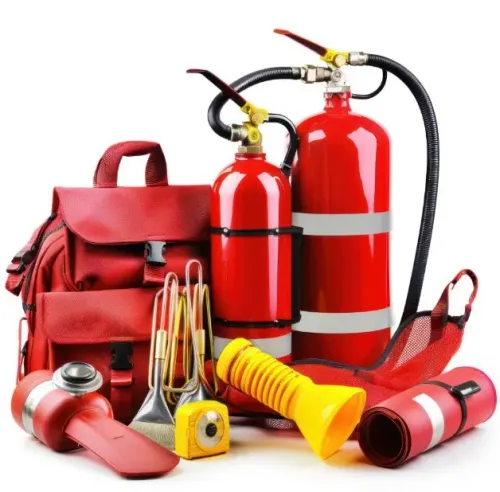
3. Pressure-test each component at the project’s acceptance pressure, then flow-test the fire system and record results. Check the exact model against the datasheet, installation instructions, material records, certificates, UL 312 listing or authority-accepted equivalent, and required approval for the fire fighting equipment noida project. Do not treat a general industrial valve as fire-service compliant.
4. Review water hammer hydraulically: spring-assisted closure can reduce reverse-flow volume, but pump-trip timing, velocity, closure behaviour, air chambers, and surge-control equipment still require evaluation. After commissioning, inspect for:
- Valve leakage, noisy closure, slam, corrosion, damaged discs, or damaged springs.
- Bellows cracks, bulging, exposed reinforcement, flange leakage, permanent deformation, hardening, or age-related deterioration.
A failed gasket or forced bellows can create the very leak the installation was meant to prevent. Record baseline readings and repeat the inspection after abnormal pump trips, surge events, or maintenance.
Compare lifecycle effort and prepare a supplier-ready enquiry
A dual plate check valve creates an access and orientation burden; an expansion rubber bellows creates a movement-control burden. They are separate line items, not alternatives.
| Option | Main installation effort | Consequence of poor selection |
|---|---|---|
| Dual plate check valve | Match flow arrow, pressure and temperature ratings; provide plate-opening clearance and inspection access | Wrong orientation, low differential pressure, or blocked plates can cause leakage, slam, or excessive pressure loss |
| Expansion rubber bellows | Calculate axial, lateral, angular and thermal movement; install anchors, guides, alignment control and restraints | Unrestrained pressure thrust, torsion, overextension, or misalignment can rupture the bellows or load equipment nozzles |
Send a dual plate check valve supplier Noida, expansion rubber bellows Noida, or fire fighting equipment Noida enquiry with:
- Nominal size; connection type; flange standard and drilling; pressure class; fluid; flow direction; operating temperature; pipe material; valve body, trim and spring materials; elastomer material; approval or listing requirement; quantity; and delivery location.
- For bellows, state movement type and magnitude, neutral face-to-face length, cycle expectation, suction or discharge service, anchors, guides and restraint arrangement.
- Request the exact model, datasheet, face-to-face dimension, certificates, fire listing, installation limitations, warranty terms, stock status, price and delivery commitment.
Shiv Shakti Hardware Store can be a local starting point for a documented Noida enquiry, but location does not prove UL, FM, BIS, NFPA or project-authority compliance. Your engineer and approving authority must verify those documents.
Related product
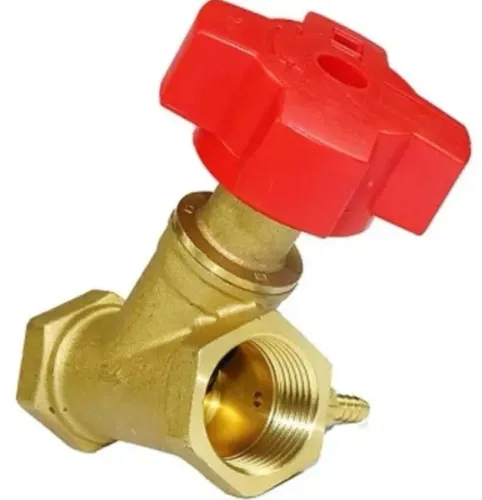
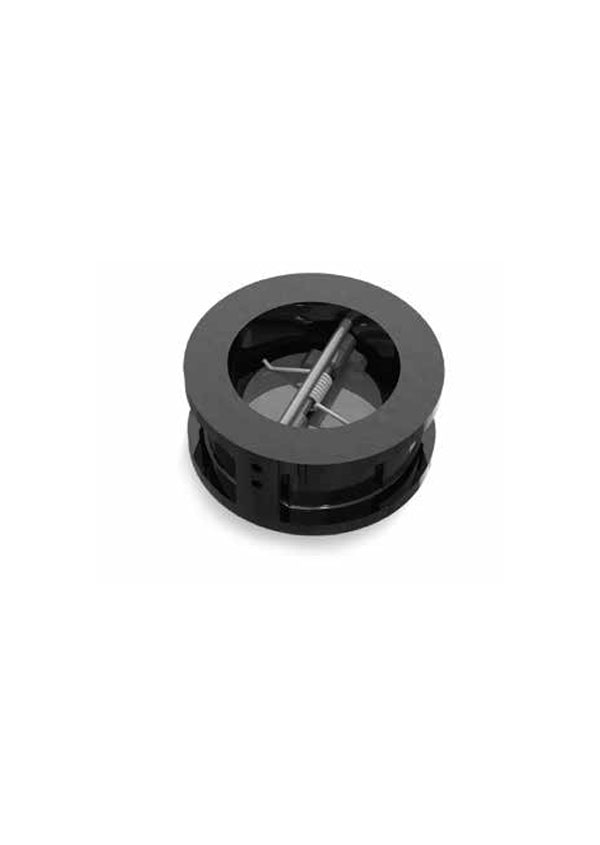 | Check Valve ₹2821 A Dual Plate Check Valve" from Honeywell is a type of valve that allows fluid to flow in one direction only, preventing backflow, by utilizing two... View product → |
Frequently asked questions
What is the difference between a dual plate check valve and an expansion rubber bellows?
A dual plate check valve prevents reverse flow. An expansion rubber bellows absorbs specified axial, lateral, angular, thermal, vibration, or alignment movement; it does not restrain pressure thrust.
Where should you place each component in a fire or HVAC system?
Place the check valve where reverse flow must be stopped, such as near a pump discharge. Install bellows where calculated movement or vibration requires a flexible connection, with anchors and guides arranged to control pressure forces.
How do you match these components to design conditions?
Compare pressure rating, temperature range, nominal size, connection standard, flow direction, movement, fluid compatibility, and fire-system duty against the design documents.
What should you check during installation and inspection?
Confirm valve orientation and access, prevent pipe strain on the bellows, install anchors and guides, inspect bolts and seals, and complete pressure, functional, and visual checks.
Keywords