A forged threaded or socket-weld fitting does not automatically mate with a hand-lever butterfly valve, even when both carry the same nominal size or pressure marking. By the end, you will be able to verify the connection, rate the assembly, and decide whether a direct lever, gearbox, or powered actuator fits the line’s access, torque, and control requirements.
Key takeaways
- Match the valve end connection to the forged fitting and pipe interface.
- Treat size, pressure rating, drilling, and materials as one assembly specification.
- Use a hand lever for shutoff isolation, not precise flow regulation.
- Request material certificates, pressure-test records, and dimensional documents before buying.
Start with the valve end and forged fitting connection
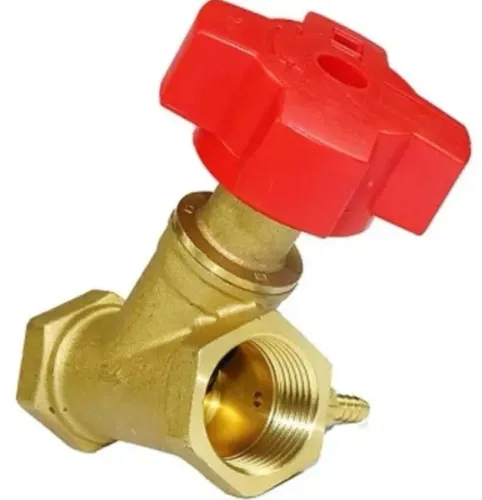
A hand-lever butterfly valve can connect to a forged fitting arrangement only when its end style matches the fitting and pipe interface. A threaded valve needs the specified thread form; a socket-weld valve needs matching socket dimensions and a qualified welding procedure. Equal nominal pipe size does not make threaded and socket-weld connections interchangeable.
Your hand lever valve for forge fittings choice starts with this end check.
| Valve end | Connection required | Check before ordering |
|---|---|---|
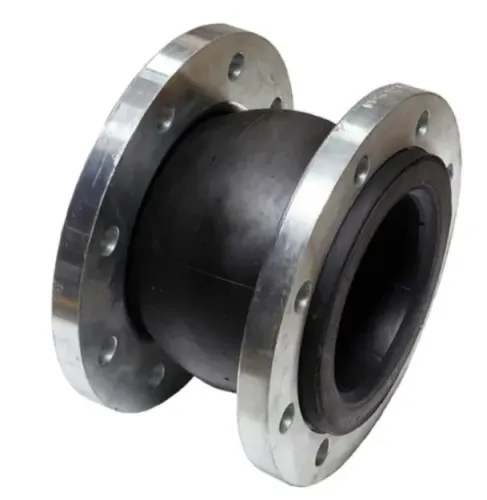
| Wafer | Two mating flanges | Flange standard, drilling, gasket face, retention, and face-to-face space |
| Lug | Bolted flange connection | Bolt-hole alignment and whether the valve is rated for dead-end service |
| Flanged | Matching flanges | Flange class, drilling, facing, gasket, bolts, and pipe outside diameter |
For forge fittings valve selection, use ASME B16.11 for forged threaded and socket-weld fitting dimensions, ratings, materials, and marking. It does not establish the installed valve’s seat compatibility or pressure-temperature limit; check the valve under its own standard, such as ASME B16.34.
- Match nominal size, pipe outside diameter, pressure class, temperature, and face-to-face length.
- Confirm the fitting arrangement is threaded, socket-weld, butt-weld, or flanged before selecting the valve end.
- Request the valve body, trim, and seat materials plus the allowable pressure-temperature range.
- Ask for maximum shaft torque or a torque curve; differential pressure, seat compression, temperature, deposits, and long idle periods can make a lever difficult to operate even when the line size matches.
Match size, rating, drilling, and materials as an assembly
Match the valve and forged fitting as one pressure boundary, not as two products with the same nominal diameter. A sound forge fittings valve selection checks the valve end style, fitting connection, pipe outside diameter, face-to-face length, pressure class, flange drilling, temperature range, and materials together.
Use this dimensional and rating checklist:
- Confirm wafer, lug, or flanged valve against threaded, socket-weld, butt-weld, or flanged fitting ends.
- Match nominal size and pipe outside diameter; DN50 or NPS 2 alone does not prove compatibility.
- Compare flange standard, bolt-hole number, bolt-circle diameter, bolt size, and raised-face details. PN16 marking does not prove that every valve will fit or share the same allowable pressure.
- Check the fitting against ASME B16.11, then rate the valve separately under its applicable standard, often ASME B16.34. Read the valve’s pressure-temperature chart for its body, trim, and seat.
- Match body, disc, stem, seat, and fitting materials to the fluid, corrosion risk, insulation, and maximum temperature.
| Check | What to compare | Failure if ignored |
|---|---|---|
| Pressure | Working pressure, test pressure, and shutoff differential pressure | Leakage or body damage |
| Temperature | Normal and maximum temperature against seat and body limits | Seat hardening, extrusion, or loss of shutoff |
| Operation | Supplier torque curve for opening, closing, and throttling | A lever that cannot move the disc |
| Service | Fluid deposits, cycle frequency, and idle period | Sticking after installation |
Write these manual butterfly valve conditions into the purchase specification; nominal size cannot replace torque data.
Use a hand lever for isolation, not precision flow control
A hand lever is suitable for local isolation when an operator can see the valve, reach it safely, and turn it without excessive force. Hand lever butterfly valve applications include equipment-room branch lines, low-frequency shutoff, and service isolation where no remote signal or automatic response is required.
The quarter-turn action is fast; it is not a precision control method.
Record these manual butterfly valve conditions before approving direct operation:
- Required torque for opening, closing, and shutoff at the stated differential pressure. Ask for a torque curve or maximum shaft-torque figure; nominal diameter alone is not enough.
- Fluid, contaminants, seat material, normal and maximum temperature, and whether the valve must move after a long idle period.
- Actuation frequency, operator access, insulation, flow direction, and working and test pressure.
- Fire-service listing, indicating device, or supervisory switch when the installation specification requires them.
Choose another control method when throttling must maintain a setpoint as the load changes. Near closed, a small lever movement can produce a large flow change, while the lever provides no repeatable position feedback or automatic correction.
A gearbox reduces effort but does not create precise control; use a characterized control valve or modulating actuator for HVAC hydronic balancing and variable demand. A butterfly disc also remains in the bore when open, so use a full-port valve where pump suction, high velocity, or pigging demands minimal obstruction.
Choose the actuator from torque, access, and operating sequence
Choose a direct hand lever when shutoff torque is manageable, the valve is visible, and one person can reach it without tools. Common hand lever butterfly valve applications include local isolation in equipment rooms and low-frequency adjustment on accessible lines.
| Option | Torque and access | Operating sequence and best use |
|---|---|---|
| Direct hand lever | Lowest complexity; use only within the supplier’s stated operating torque and available hand clearance | Immediate local quarter-turn isolation or infrequent adjustment |
| Gear-operated butterfly valve | Reduces hand effort when diameter, differential pressure, seat compression, deposits, or temperature increase torque | Repeated local operation where a lever is too hard, too fast, or physically obstructed |
| Motorized actuator | Handles remote commands and high operating frequency; requires power, controls, fail position, and space | Scheduled, interlocked, or automatic opening and closing |
Do not size the lever from nominal diameter alone. Request the valve’s opening, closing, and maximum shaft-torque figures at the stated differential pressure, temperature, seat material, and flow direction; a stiff seat or long-idle deposit can make an apparently small valve difficult to move.
Choose a motorized actuator when the sequence includes automatic reset, interlocking, remote access, or changing loads. A gear is the middle option: it preserves local control but slows operation and does not provide automatic response. For fire-fighting lines, specify the required listed or approved valve, indicating device, and supervisory switch before selecting any actuator.
Specify the documents and tests before comparing suppliers
A search for butterfly valve supplier noida should lead to a document comparison, not a price comparison. Before approving the assembly, ask for these items:
1. Valve data sheet naming the design standard, wafer, lug, or flanged end, nominal size, body and trim materials, seat material, face-to-face dimension, and flange drilling. Check API 609 or the supplier’s stated valve standard.
2. Pressure-temperature chart and allowable differential pressure. Read the valve’s own limits under ASME B16.34; do not transfer a forged fitting’s stamped class to the valve.
3. Torque curve or maximum shaft-torque figure for opening, closing, and throttling at the specified pressure, temperature, seat, and fluid. Size the hand lever from torque, not line diameter.
4. Material certificates with heat numbers for the body, disc, shaft, and forged fittings. For ASME B16.11 fittings, confirm thread form or socket dimensions, rating, marking, and material; confirm the valve separately.
5. Hydrostatic shell-test and seat-leakage test records, including test pressure, duration, acceptance criterion, and valve serial number.
6. Replacement-seat lead time, spare-part identification, and any fire-protection listing or approval required by the project.
Shiv Shakti Hardware Store should also provide an end-dimension drawing before supply: a threaded fitting cannot replace a socket-weld fitting, and a wafer valve cannot automatically serve as a dead-end valve. This documentation makes forge fittings valve selection traceable.
Related product
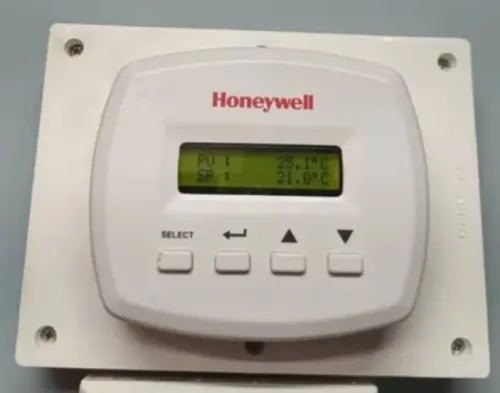
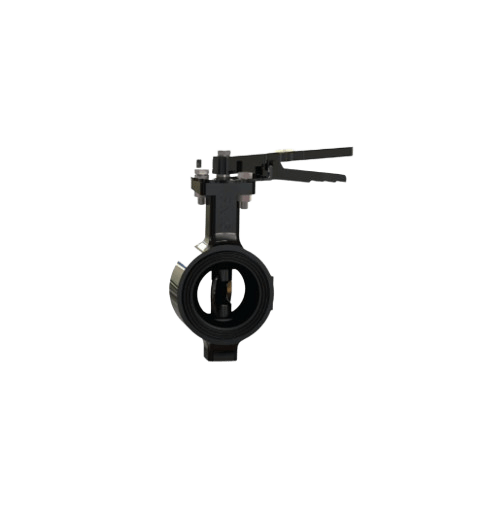 | Butterfly Valve Butterfly Valve Hand Lever Operated ₹2732 A Honeywell Impact butterfly valve PN 16 is typically used for regulating the flow of water in heating and cooling systems, particularly in HVAC... View product → |
Frequently asked questions
How do you match a hand-lever valve to forged fittings?
Check the valve end style, thread form, socket dimensions, flange drilling, and pipe interface. Nominal size alone does not prove compatibility.
What should you compare when selecting forged fittings and a butterfly valve?
Compare nominal size, pressure-temperature rating, flange drilling, body and disc materials, seat material, and the complete assembly’s service conditions.
Are hand-lever butterfly valves suitable for flow control?
Use them primarily for isolation. A hand lever does not provide the repeatable positioning or control accuracy required for precision throttling.
How do you choose the correct hand-lever actuator?
Check required operating torque, access around the valve, lever clearance, line pressure, and whether the operating sequence requires a lockable or position-indicating handle.
Which documents should you request before comparing valve suppliers?
Request dimensional drawings, pressure-temperature ratings, material certificates, pressure-test records, applicable standards, and confirmation of the connection and drilling details.
Keywords